The Department of Electrical and Electronics Engineering at Jyothi Engineering College commenced its academic journey in 2002, ushering in the BTech program with an initial sanctioned intake of 60 students. Since its inception, the department has been a bastion of academic excellence, innovation, and holistic learning. A team of highly motivated, dedicated, and experienced teachers, supported by skilled lab technicians, plays a pivotal role in imparting knowledge and nurturing the intellectual growth of students.
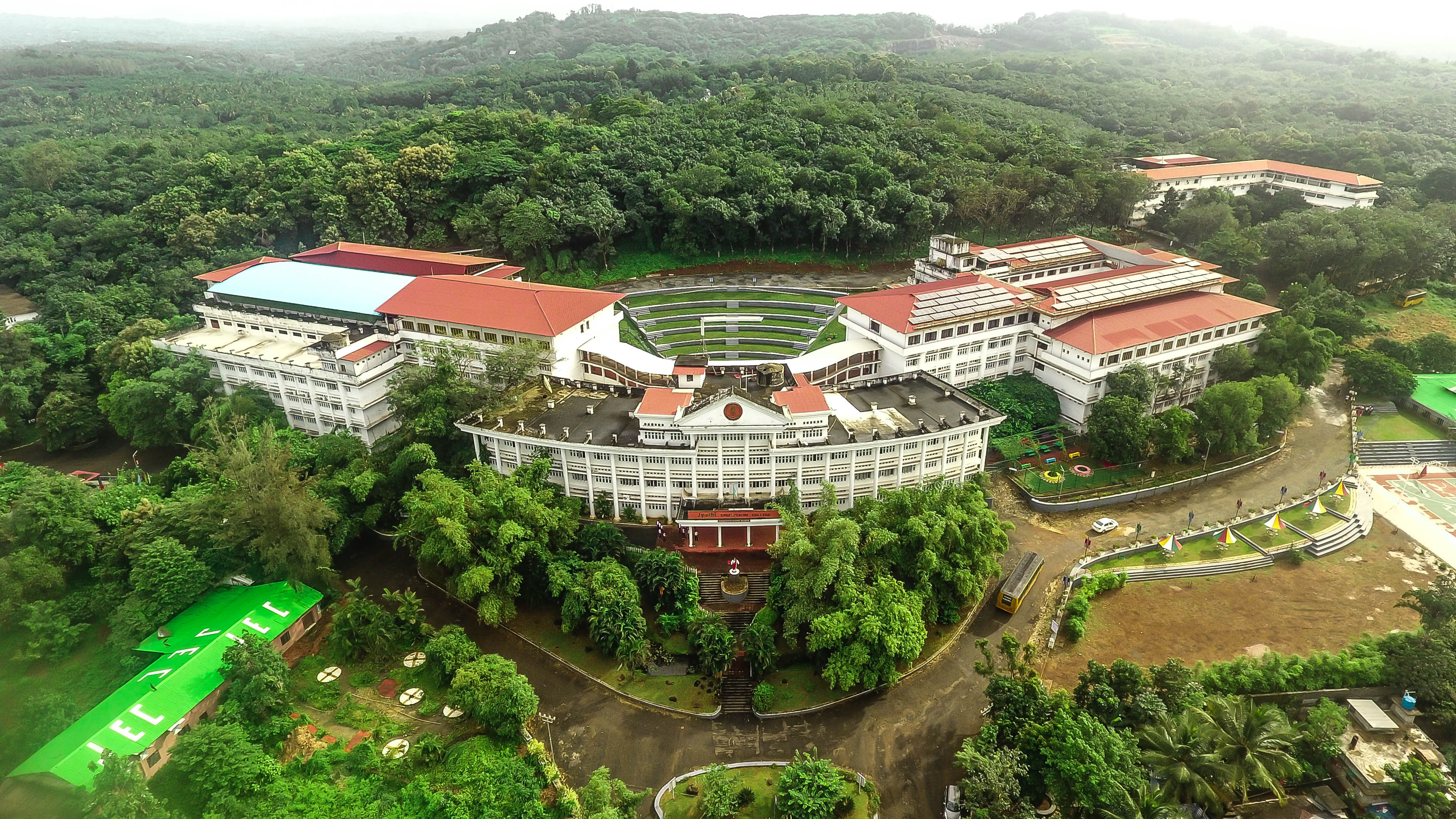
The department boasts state-of-the-art infrastructure and well-equipped laboratories, providing students with a conducive environment for practical learning recognizing the importance of bridging the gap between academia and industry, the department actively fosters collaborations with leading companies in the electrical and electronics sector. Industry experts are regularly invited for guest lectures, workshops, and seminars, offering students valuable insights into real-world applications and challenges. Beyond academic and technical prowess, the department places a strong focus on instilling moral and ethical foundations in its students. Through a comprehensive education approach, students are not only trained for successful careers but also imbued with strong moral values and ethical principles.
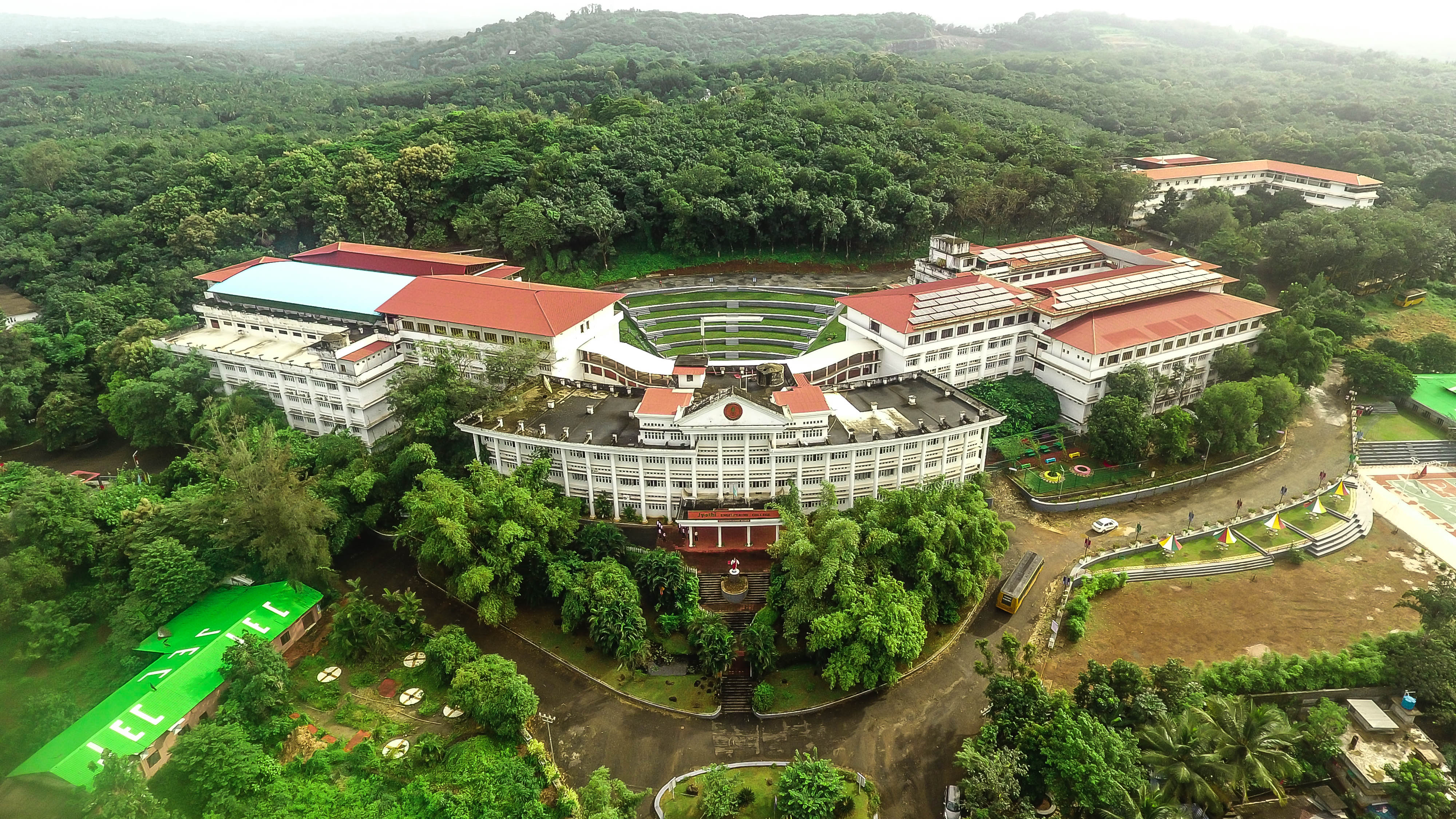
The B.Tech in Electrical and Electronics Engineering (EEE) at Jyothi Engineering College is a four-year undergraduate programme that equips students with the knowledge and skills to excel in the fields of electrical power, electronics, automation, renewable energy, and emerging technologies. The curriculum combines a strong theoretical foundation with hands-on laboratory experience, industry exposure, internships, and project-based learning to prepare graduates for the evolving demands of the engineering profession. The department is supported by experienced faculty, modern laboratories, and a vibrant learning environment that fosters innovation, research, and technical excellence. Students are encouraged to participate in workshops, industrial visits, technical competitions, and professional society activities to enhance their academic and professional development. Graduates of the programme are well prepared for rewarding careers in power generation and distribution, industrial automation, electric vehicles, renewable energy, electronics, manufacturing, and research, as well as for higher studies and competitive examinations.
Programme Highlights 1. Comprehensive curriculum covering core electrical and electronics engineering principles. 2. Modern laboratories for Electrical Machines, Power Electronics, Power Systems, Control Systems, Electrical Measurements, Microprocessors, Digital Electronics, and Embedded Systems. 3. Focus on emerging technologies such as Renewable Energy Systems, Electric Vehicles (EVs), Smart Grids, Industrial Automation, IoT, and Energy Management. 4. Opportunities to participate in technical clubs, professional society activities, workshops, hackathons, and national-level competitions. 5. Industry interaction through internships, expert lectures, industrial visits, and collaborative projects. 6. Emphasis on innovation, entrepreneurship, research, and sustainable engineering practices. 7. Training in communication, leadership, teamwork, and professional ethics to enhance employability.